Key Highlights of the Ayurved Courses
- Couses have comprehensive curriculum preparing students to provide holistic healthcare in both traditional and contemporary settings.
- Holistic Healthcare Training is provided as Students learn Ayurvedic approaches to patient care, disease prevention, and rehabilitation, with a focus on natural therapies, lifestyle management, and herbal treatments.
- Extensive hands-on training in Ayurvedic hospital and wellness center enables students to develop clinical skills in Ayurvedic nursing, including patient care in Panchkarma therapies and other Ayurvedic treatments.
- Highly qualified and experienced faculty members who are experts in both nursing and Ayurveda, ensuring a well-rounded educational experience.
- Personality Development is emphasized with focus on soft skills, communication, and leadership, preparing students to take on responsibilities in diverse healthcare environments.
- Vast placement opportunities with careers in Ayurvedic hospitals, wellness centers, private clinics, or as health consultants in government and private healthcare sectors.
- Strong foundation in both theoretical knowledge and practical application, ensuring students are well-prepared to excel in the growing field of Ayurveda.
The Program Outcome of BSc Nursing (Ayurveda)
1. Basic Concept of Ayurveda & Sanskrit
- Apply Ayurvedic principles to understand health and disease, using Sanskrit
terminology.
- Use Sanskrit in Ayurvedic practice, including reading and writing prescriptions,
and communicating with patients.
- Integrate Sanskrit with Ayurvedic concepts.
- Develop critical thinking skills to analyse and interpret Ayurvedic text and concepts.
- Communicate effectively with patients, families and healthcare teams.
2. Applied Anatomy
- Gain knowledge of the basic structural organisation of human body
Understand the levels of organization at cellular level.
- Understand the structural and functional classification of skeletal system.
- Learn the role of blood and lymph; Understand the function of Lymphatic system.
- Learn the concepts of Peripheral Nervous System and special senses.
- Understand the structural and functional classification of Cardio-vascular system
- Explain Ayurvedic anatomy concepts and examination techniques.
- Integrate Anatomy with nursing practice.
- Develop Ayurvedic nursing care plans, in collaborating with healthcare teams.
- Apply knowledge of anatomical structures to analyse clinical situations and
therapeutic applications.
3. Applied Physiology:
- Develop understanding of the normal functioning of various organ systems of the
body, with introduction to Ayurvedic physiological concepts.
- Identify the relative contribution of each organ system towards maintenance of
homeostasis, including the role of Ayurvedic Principles.
- Describe the effect of alterations in functions.
- Apply knowledge of physiological basis to analyse clinical situations and
Therapeutic applications.
4. Nursing Foundation:
- Explain the basic concepts and principles guiding nursing activities.
- Identify the basic needs and problems of patient.
- Develop skills in communication and maintains good interpersonal and
professional relations.
- Application of the principles of first aid in Emergency situations.
- Develop understanding about fundamentals of health assessment and perform
health assessment in supervised clinical settings.
- Demonstrate fundamental skills of assessment, planning, implementation and
evaluation of nursing care using Nursing process approach in supervised clinical
settings
- Assess the Nutritional needs of patients and provide relevant care under
supervision
- Identify and meet the hygienic needs of patients
- Identify and meet the elimination needs of patient
- Interpret findings of specimen testing applying the knowledge of normal values
- Promote oxygenation based on identified oxygenation needs of patients under
supervision
- Review the concept of fluid, electrolyte balance integrating the knowledge of
applied physiology
- Apply the knowledge of the principles, routes, effects of administration of
medications in administering medication
- Calculate conversions of drugs and dosages within and between systems of
measurements
- Demonstrate knowledge and understanding in caring for patients with altered
functioning of sense organs and unconsciousness
- Explain loss, death and grief
- Describe sexual development and sexuality
- Identify stressors and stress adaptation modes
- Integrate the knowledge of culture and cultural differences in meeting the spiritual
needs
- Explain the introductory concepts relevant to models of health and illness in
patient care
4. Community Medicine (Swasthavruttha)
- Describe the concept of Swastha (health) and its importance in Ayurveda
- Explain about the various factors that influence health, including diet, lifestyle, and
environment
- Identify the principles of preventive medicine, including the prevention of disease and
the promotion of health
- Develop skills in health education and health promotion
- Apply the principles of Swasthavritta in nursing practice to maintain health and
prevent Disease.
- Describe the concept of Yoga and its importance in Ayurveda.
- Explain about the various Asanas.
- Identify the principles of preventive medicine, including the prevention of disease and
the promotion of health
- Explain the role of Naturopathy & nature cure diet in healthcare.
- Apply the principles of Swasthavrutta in nursing practice to maintain health and
prevent Disease.
5. Sociology + General Psychology (Manovigyana)
- Develop understanding of social determinants of health and healthcare systems, also the
knowledge of social institutions.
- Integrate the knowledge of clinical sociology and its uses in crisis intervention.
- Identify the importance of Psychology in individual and professional life.
- Demonstrate basic understanding of Psychological assessment and nurse’s role.
- Understand the foundational concepts and theories in sociology.
- Analyze social institutions (i.e., family, education, religion, economy) and their role in
shaping human behaviour.
- Examine the impact of social structures, class, race, gender, and ethnicity on individual
and group behaviour.
- Apply sociological research methods to investigate social issue.
6. Health/ Nursing Informatics and Technology
- Develop a basic understanding of computer application in patient care and nursing
practice.
- Apply the knowledge of computer and information technology in patient care and
nursing education, practice administration and research.
- Describe the principles of health informatics and its use in developing efficient
healthcare.
- Demonstrate the use of information system in healthcare for patient care and utilization
of nursing data.
- Demonstrate the knowledge of using Electronic Health Records (EHR) system in
clinical practice.
- Apply the knowledge of interoperability standards in clinical setting.
- Apply the knowledge of information and communication technology in public health
promotion.
- Utilize the functionalities of Nursing Information System (NIS) system in nursing.
- Demonstrate the skills of using data in management of health care.
- Apply the knowledge of the principles of digital ethical and legal issues in clinical
practice.
- Utilize evidence-based practices in informatics and technology for providing quality
patient care.
- Update and utilize evidence-based practices in nursing education, administration, and
practice.
7. Dravya Guna (Ayurveda Pharmacology)
- Understand the basic principles of Dravyaguna Vigyana, including Panchamahabhuta,
Rasa, Guna, Virya, Vipaka, and Prabhava.
- Explain the Ayurvedic concepts related to classification of dravyas, their properties
(guna), actions (karma), and therapeutic uses.
- Describe the identification, collection, preservation, and processing methods for
various medicinal plants used in Ayurveda.
- Analyze the pharmacological actions and therapeutic applications of various single
herbs (Eka dravya) according to classical texts and correlate them with modern
pharmacology where appropriate.
- Perform organoleptic evaluation and morphological identification of selected
medicinal plants.
- Demonstrate ability to formulate and select appropriate dravyas based on dosha, roga,
desha, and prakriti of the patient.
- Understand the role of Dravyaguna in the broader context of Ayurvedic pharmacology
and clinical practice.
8. Pathology: Roga Nidana
- Understand the basic concepts of Roga (disease) and Nidana (etiology) according to
Ayurveda, including Samprapti, Dosha-Dushya Sammurchana, Vyadhi Lakshana, and
Rogamarga.
- Explain the principles of Ayurvedic pathology (Vikriti Vigyana) and the process of
disease formation through Samprapti Ghatakas.
- Classify diseases based on Nidana Panchaka (etiology, prodromal symptoms, cardinal
signs/symptoms, pathogenesis, and prognosis) and apply this in clinical diagnosis.
- Interpret the clinical signs and symptoms of various diseases using both Ayurvedic
and modern diagnostic tools.
- Understand and apply the concept of Dosha Prakopa, Aama, Srotorodha, and
Kriyakala in the understanding of disease progression and early diagnosis.
- Demonstrate the ability to formulate a proper Ayurvedic diagnosis (Roga and Rogi
Pariksha) using Ashtavidha and Dashavidha Pariksha techniques.
- Correlate Ayurvedic disease concepts with modern pathological findings, enabling an
integrated diagnostic approach.
9. Microbiology
- Identify the ubiquity and diversity of microorganisms in the human body and the
environment.
- Classify and explain the morphology and growth of microbes.
- Explore mechanisms by which microorganisms cause disease.
- Develop understanding of how the human immune system counteracts infection by
specific and non-specific mechanisms.
- Apply the principles of preparation and use of vaccines in immunization.
- Demonstrate and practice steps in Hand washing and appropriate use of different types
of PPE.
- Illustrate various disinfection and sterilization methods and techniques.
10. Ayurvedic Pharmaceutics & Iatrochemistry : (Bhaishajya Kalpana Evum Rasa Shashtram)
- Understand the basic principles of Ayurvedic pharmaceutics (Bhaishajya Kalpana),
including types of dosage forms, Anupana, Samskara, and Mardana, etc.
- Explain the fundamentals of Rasa Shastra, including classification, purification
(Shodhana), incineration (Marana), and therapeutic use of Rasaushadhis (herbo-
mineral preparations).
- Describe the preparation methods of classical Ayurvedic formulations such as Churna,
Vati, Kwatha, Asava-Arishta, Ghrita, Taila, Avaleha, etc.
- Identify and perform standard operating procedures (SOPs) for the safe handling,
purification, and preparation of herbo-mineral drugs, ensuring efficacy and safety.
- Analyze the toxicological concerns and safety protocols associated with Rasa dravyas
and explain the importance of Shodhana and proper formulation methods.
- Understand and apply the quality control measures, storage guidelines, and
preservation techniques for Ayurvedic medicines as per classical and modern
standards.
- Correlate traditional Ayurvedic pharmaceutics with modern pharmaceutical science,
contributing to evidence-based practice and global standardization efforts.
11. Medical Nursing
- Apply the knowledge of Pathology in understanding the deviations from normal to
abnormal pathology.
- Explain the importance of Geriatric Nursing.
- Describe the principles of emergency nursing.
- Understand the etiology, pathophysiology, clinical manifestations, investigations, and
management of various medical disorders across body systems.
- Demonstrate knowledge of nursing assessment techniques, including history taking,
physical examination, and interpretation of diagnostic reports for patients with medical
conditions.
- Provide comprehensive and holistic nursing care to patients with acute and chronic
medical illnesses based on nursing process and evidence-based practice.
- Apply principles of drug administration, including dosage calculation, routes, adverse
effects, and patient education, in the context of medical therapeutics.
- Manage medical emergencies such as cardiac arrest, respiratory failure, electrolyte
imbalance, and infectious diseases under supervision.
- Communicate effectively with patients, families, and the healthcare team while
maintaining ethical and legal standards of nursing practice.
- Educate patients and caregivers about disease prevention, health promotion, self-care,
and rehabilitation in chronic and lifestyle-related diseases.
- Integrate Ayurvedic nursing principles (if applicable) with modern medical nursing
for supportive care in integrative health settings.
12. Professionalism, Professional Values and Ethics Including Bioethics
- Describe profession and professionalism.
- Identify the challenges of professionalism.
- Maintain respectful communication and relationship with other health team members,
patients and society.
- Demonstrate professional conduct.
- Describe various regulatory bodies and professional organizations related to nursing.
- Discuss the importance of professional values in patient care.
- Explain the professional values and demonstrate appropriate professional values in
nursing practice.
- Demonstrate and reflect on the role and responsibilities in providing compassionate
care in the healthcare setting.
- Demonstrate respect, human dignity and privacy and confidentiality to self, patients
and their caregivers and other health team members.
- Advocate for patients ‘wellbeing, professional growth and advancing the profession.
- Identify ethical and bioethical concerns, issues and dilemmas in nursing and
healthcare.
- Apply knowledge of ethics and bioethics in ethical decision making along with health
team members.
- Protect and respect patient ‘s rights.
13. Paediatric Care (Shishu Paricharana)
- Develop understanding of the Ayurvedic and modern concepts of child health and child-care.
- Explore the national child welfare services, national programs and legislation in the Light of National Health Policy 2017.
- Describe the role of preventive paediatrics and perform preventive measures towards
accidents.
- Participate in national immunization programs/Universal Immunization Program
(UIP).
- Identify the developmental needs of children and provide parental guidance in
Ayurveda.
- Describe the principles of child health nursing and perform child health nursing
procedures.
- Demonstrate competencies in new-born assessment, planning and implementation
of care to normal and high-risk new-born including neonatal resuscitation and other
Ayurveda sanskars in new-born.
- Apply the principles and strategies of Integrated management of neonatal and
childhood illness (IMNCI).
- Apply the knowledge of pathophysiology and provide nursing care to children with
respiratory system disorders.
- Identify and meet childhood emergencies and perform child CPR.
14. ENT & Ophthalmology Care (Shalakya Karma Paricharana)
- Develop understanding of the Ayurvedic and modern concepts of ENT and Eye.
- Understand the basic principles and scope of Shalakya Tantra as one of the Ashtanga
(eight branches) of Ayurveda.
- Describe the anatomy and physiology of the Netra (eyes), Karna (ears), Nasa (nose),
Mukha (oral cavity), Kantha (throat), and Shira (head) according to Ayurveda and
correlate with modern concepts.
- Identify the aetiology (Nidana), pathogenesis (Samprapti), signs and symptoms
(Lakshana), and stages (Kriya Kala) of common Urdhwajatrugata Rogas (diseases above
the clavicle).
- Gain knowledge about various Ayurvedic diagnostic methods, including Darshana,
Sparshana, and Prashna.
- Demonstrate the ability to observe and record clinical features and therapeutic outcomes
of Shalakya procedures.
- Assist in preparation of medicines used in Shalakya treatments (e.g., medicated oils, ghee,
powders, and decoctions).
- Provide pre- and post-procedure care to patients undergoing treatments for eye, ear, nose,
and throat diseases.
- Educate patients on Ayurvedic preventive measures and daily regimens (Dinacharya)
relevant to eye and ENT health.
15. Mental Health Nursing
- Trace the historical development of mental health nursing and discuss its scope.
- Identify the classification of the mental disorders.
- Develop basic understanding of the principles and concepts of mental health nursing.
- Apply the Ayurvedic conceptual practice standards for psychiatric mental health
nursing in supervised clinical settings.
- Conduct mental health assessment as per Ayurveda.
- Identify and maintain therapeutic communication and nurse patient relationship.
- Demonstrate knowledge of the various treatment modalities and therapies used in mental
disorders in Panchakarma.
- Apply nursing process in delivering care to patients with mental disorders.
- Provide nursing care to patients with schizophrenia and other psychotic disorders based
on assessment findings and treatment/therapies used.
- Provide nursing care to patients with mood disorders based on assessment findings and
treatment/therapies used.
- Provide nursing care to patients with neurotic disorders based on assessment findings and
treatment/ therapies used.
16. Applied Nutrition and Dietetics
- Understand the basic principles of modern nutrition, including the classification,
functions, and sources of macronutrients and micronutrients.
- Describe the Ayurvedic concepts of Ahara (diet), Ahara Vidhi (dietary guidelines), and
Anna Parinamana (digestion and metabolism).
- Explain the nutritional requirements of individuals at various stages of life (infancy,
childhood, adolescence, pregnancy, lactation, elderly).
- Recognize common nutritional deficiencies and their prevention or management through
appropriate diet.
- Assess nutritional status using methods like dietary recall, BMI, and anthropometric
measurements.
- Plan and prepare balanced diets for individuals with normal nutritional needs and for those
with specific health conditions.
- Assist in diet counselling and education for patients in clinical and community settings.
- Identify and recommend Pathya (wholesome) and Apathya (unwholesome) foods in
various disease conditions, as per Ayurvedic texts.
- Participate in community nutrition programs, health camps, and school health initiatives.
- Maintain dietary records and assist in evaluating dietary interventions for patients in
Ayurvedic hospitals and Panchakarma centres.
- Demonstrate awareness of food hygiene, sanitation, and safe food handling practices.
- Identify causes and prevention of food contamination and foodborne illnesses.
- Promote healthy eating habits and hygiene practices among individuals and communities.
- Effectively communicate dietary advice and nutritional information to patients, families,
and caregivers.
- Respect patient preferences and cultural dietary practices while recommending or
assisting with diet planning.
- Maintain ethical standards in nutrition counselling, including honesty, patient privacy,
and non-judgmental attitudes.
17. Surgical Nursing (Shalya Karma Paricharana)
- Explain the basic principles of Shalyatantra as described in classical Ayurvedic texts.
- Describe the contributions of Acharya Sushruta and the historical evolution of surgery in
Ayurveda.
- Identify and classify surgical diseases and conditions according to Ayurvedic and modern
perspectives.
- Demonstrate understanding of Ayurvedic surgical instruments (Yantras and Shastras) and
their uses.
- Assist in the preparation of patients for minor surgical and Para surgical procedures.
- Demonstrate the application of Ksharasutra therapy in conditions like Bhagandara (fistula-
in-ano).
- Assist in Agnikarma (thermal cauterization) procedures for musculoskeletal and pain
conditions.
- Carry out Jalaukavacharana (leech therapy) and Raktamokshana (bloodletting) under
supervision.
- Perform basic aseptic techniques, including sterilization, dressing, and post-procedure
care.
- Recognize post-operative complications and know when to refer to higher care.
- Exhibit compassionate and ethical behaviour in surgical patient care.
- Educate patients about Ayurvedic surgical procedures, expected outcomes, and post-care
advice.
- Maintain proper documentation and case records of surgical and Para surgical procedures.
- Work collaboratively with Ayurvedic surgeons and other healthcare professionals.
- Correlate Ayurvedic concepts of Shalya disorders with modern surgical understanding.
- Apply Shalyatantra principles in common conditions like wounds, abscesses, piles,
fistula, and ulcers.
- CO17 : Participate in health camps and community awareness programs for promoting Ayurvedic
surgical care.
- CO18 : Utilize Ayurvedic medications and local applications for wound healing and surgical
support.
18. Panchakarma
- Understand the fundamental principles of Panchakarma based on classical Ayurvedic texts
(Charaka Samhita, Ashtanga Hridaya, etc.).
- Learn about the Tridosha theory, Shodhana (purification) vs Shamana (pacification), and
the role of Panchakarma in maintaining health and treating diseases.
- Gain in-depth knowledge of the five main procedures:
- Vamana (therapeutic emesis)
- Virechana (purgation)
- Basti (medicated enema)
- Nasya (nasal administration)
- Raktamokshana (bloodletting)
- Ability to assess patient eligibility for Panchakarma through Rogi-Roga Pariksha (patient
and disease examination).
- Proficiency in planning individualized Panchakarma therapies.
- Hands-on skills in performing Purva Karma (preparatory procedures) like Snehana
(oleation) and Swedana (sudation).
- Proper execution of Pradhana Karma (main therapies) with aseptic precautions and
classical techniques.
- Knowledge of Paschat Karma (post-therapy care) including Samsarjana Krama (dietary
regimen).
- Ability to diagnose conditions where Panchakarma is indicated.
- Use of Ayurvedic diagnostic tools like Nadi Pariksha, Jihva Pariksha, etc.
- Integration of modern diagnostic methods when necessary.
- Understanding Panchakarma's role in preventive healthcare, seasonal detox
(Ritucharya), and rejuvenation (Rasayana).
- Advice on lifestyle modifications post-Panchakarma.
- Basic understanding of research methodology in the context of Panchakarma.
- Critical evaluation of clinical outcomes and literary evidence.
19. General Ayush Knowledge and Other Systems of Healing
- Demonstrate knowledge of the fundamental principles and practices of AYUSH systems,
including Ayurveda, Yoga, Naturopathy, Unani, Siddha, and Homeopathy.
- Understand the principles and practices of other traditional systems of healing, such as
Traditional Chinese Medicine and Acupuncture.
- Recognize the role of integrative medicine in healthcare and its potential benefits and
limitations.
- Assess patients using AYUSH principles and identify potential health issues.
- Develop treatment plans that incorporate AYUSH principles and other traditional systems
of healing.
- Communicate effectively with patients and families about AYUSH systems and other
traditional systems of healing.
20. Maternity And Gynecological Nursing
- Demonstrate comprehensive understanding of the anatomy and physiology of the female
reproductive system and its relevance in various stages of the reproductive cycle.
- Apply knowledge of normal and high-risk antenatal, intranatal, and postnatal care for
mothers using evidence-based practices and empathetic communication.
- Identify and manage common gynecological conditions and reproductive health issues,
including infections, infertility, and malignancies.
- Assist in safe and effective labor and delivery, including performing midwifery skills,
neonatal resuscitation, and postpartum care.
- Provide holistic nursing care to women across the life span with an emphasis on
adolescent, reproductive, and menopausal health.
- Integrate Ayurvedic principles and nursing care practices to promote maternal and child
health, including the use of traditional herbs, diet, and lifestyle recommendations.
- Educate women, families, and communities on reproductive health, safe motherhood,
contraception, and prevention of sexually transmitted infections.
- Function effectively as a member of the maternal healthcare team in clinical, community,
and institutional settings, ensuring ethical and culturally sensitive care
21. Nursing Administration
- Analyse the health care trends influencing development of nursing services and education
in India.
- Describe the principles, functions and process of management applied to nursing.
- Develop basic understanding and beginning competencies in planning and organizing
nursing services in a hospital.
- Apply the concept of human resource management and identify the job description
for all categories of nursing personnel including in service education.
- Discuss the principles and methods of staffing and scheduling in an individual
hospital/nursing unit.
- Develop skill in management of materials and supplies including inventory control.
- Develop team working and inter professional collaboration competencies.
- Identify effective leadership styles and develop leadership competencies.
- Utilize the knowledge of principles and line of control and participate in quality
management and evaluation activities.
- Utilize the knowledge related to financial planning in nursing services and education
During budgetary process.
- Apply the knowledge of nursing informatics in maintenance of records and reports
relevant to patient information, nursing care and progress.
- Demonstrate understanding of the INC guidelines for establishment and accreditation
of educational institutions in terms of faculty norms, physical infrastructure and clinical
facilities.
- Demonstrate beginning competencies in planning, organizing and staffing at college
including implementation and evaluation of curriculum.
- Identify the legal issues and laws relevant to nursing practice and education.
- Apply the knowledge and utilize the various opportunities for professional advancement.
22. Nursing Research and Statistics
- Identify research priority areas
- Review related literature on selected research problem and prepare annotated bibliography
- Prepare sample data collection tool
- Formulate research questions/problem statement/hypotheses
- Analyse and interpret the given data
- Practice computing, descriptive statistics and correlation
- Draw figures and types of graphs on given select data
- Develop a research proposal
Scope of BSc Nursing (Ayurveda)
The BSc Nursing (Ayurveda) course combines traditional nursing education with Ayurveda principles, preparing students to provide holistic healthcare services based on the Ayurvedic system of medicine. The course equips nurses with knowledge and skills in both modern medical practices and Ayurvedic treatments, which broadens their career opportunities in integrative healthcare settings.
Key Areas Covered
- Ayurvedic Fundamentals: Nurses are trained in the core principles of Ayurveda, including concepts like doshas (Vata, Pitta, Kapha), Panchakarma therapies, herbal treatments, and natural healing techniques.
- General Nursing: The curriculum includes conventional nursing practices like patient care, medication administration, emergency procedures, midwifery, and anatomy and physiology.
-
Holistic Patient Care: The course emphasizes holistic care, blending Ayurvedic concepts like lifestyle modification, diet therapy, and mental well-being with modern nursing methods.
- Panchakarma Therapy: Students learn how to assist and manage Panchakarma procedures, which are specialized detoxification and rejuvenation therapies in Ayurveda.
- Basic Medicine and Pharmacology: An introduction to Ayurvedic pharmacology (Dravyaguna) as well as essential knowledge of Western medicine, giving nurses a balanced understanding of both systems.
Scope and Career Opportunities
- Ayurvedic Hospitals and Clinics: BSc Nursing (Ayurveda) graduates, can work in Ayurvedic hospitals, assisting in Panchakarma therapy, patient care, and Ayurvedic treatments alongside Ayurvedic practitioners.
- Government and Private Healthcare: Ayurveda is part of the recognized healthcare system in India, allowing BSc Nursing (Ayurveda) nurses to work in government health departments, National AYUSH Mission programs, or private Ayurvedic hospitals and wellness centres.
- Panchakarma Centres: These centres focus on detoxification and rejuvenation therapies based on Ayurveda, and nurses with specialized knowledge in these areas are highly sought after.
- Wellness and Spa Industry: With the growing interest in holistic and natural therapies, BSc Nursing (Ayurveda) nurses can work in wellness centres, health resorts, and spas that offer Ayurvedic treatments.
- Home Care and Community Health: With specialized knowledge in Ayurveda, nurses can offer personalized care in homes, focusing on natural treatments, lifestyle adjustments, and preventive healthcare in community settings.
- Ayurvedic Academics: Opportunities exist in education, where nurses may able to teach future Ayurvedic nursing students.
Further Education:
Graduates may pursue further specialization or degrees in Ayurvedic medicine, advanced nursing and management programs, or even integrated medicine courses to expand their career prospects further.
Demand for BSc Nursing (Ayurveda) Nurses
As awareness of alternative medicine grows globally, there is increasing demand for professionals trained in both modern nursing and Ayurvedic practices, particularly in holistic healthcare environments that focus on natural, non-invasive treatments and patient-centred care.
PROGRAM OUTCOME
The BSc Nursing (Ayurveda) course combines traditional nursing education with Ayurveda principles, preparing students to provide holistic healthcare services based on the Ayurvedic system of medicine. The course equips nurses with knowledge and skills in both modern medical practices and Ayurvedic treatments, which broadens their career opportunities in integrative healthcare settings.
Key Areas Covered
- Ayurvedic Fundamentals: Nurses are trained in the core principles of Ayurveda, including concepts like doshas (Vata, Pitta, Kapha), Panchakarma therapies, herbal treatments, and natural healing techniques.
- General Nursing: The curriculum includes conventional nursing practices like patient care, medication administration, emergency procedures, midwifery, and anatomy and physiology.
-
Holistic Patient Care: The course emphasizes holistic care, blending Ayurvedic concepts like lifestyle modification, diet therapy, and mental well-being with modern nursing methods.
- Panchakarma Therapy: Students learn how to assist and manage Panchakarma procedures, which are specialized detoxification and rejuvenation therapies in Ayurveda.
- Basic Medicine and Pharmacology: An introduction to Ayurvedic pharmacology (Dravyaguna) as well as essential knowledge of Western medicine, giving nurses a balanced understanding of both systems.
Scope and Career Opportunities
- Ayurvedic Hospitals and Clinics: BSc Nursing (Ayurveda) graduates, can work in Ayurvedic hospitals, assisting in Panchakarma therapy, patient care, and Ayurvedic treatments alongside Ayurvedic practitioners.
- Government and Private Healthcare: Ayurveda is part of the recognized healthcare system in India, allowing BSc Nursing (Ayurveda) nurses to work in government health departments, National AYUSH Mission programs, or private Ayurvedic hospitals and wellness centres.
- Panchakarma Centres: These centres focus on detoxification and rejuvenation therapies based on Ayurveda, and nurses with specialized knowledge in these areas are highly sought after.
- Wellness and Spa Industry: With the growing interest in holistic and natural therapies, BSc Nursing (Ayurveda) nurses can work in wellness centres, health resorts, and spas that offer Ayurvedic treatments.
- Home Care and Community Health: With specialized knowledge in Ayurveda, nurses can offer personalized care in homes, focusing on natural treatments, lifestyle adjustments, and preventive healthcare in community settings.
- Ayurvedic Academics: Opportunities exist in education, where nurses may able to teach future Ayurvedic nursing students.
Further Education:
Graduates may pursue further specialization or degrees in Ayurvedic medicine, advanced nursing and management programs, or even integrated medicine courses to expand their career prospects further.
Demand for BSc Nursing (Ayurveda) Nurses
As awareness of alternative medicine grows globally, there is increasing demand for professionals trained in both modern nursing and Ayurvedic practices, particularly in holistic healthcare environments that focus on natural, non-invasive treatments and patient-centred care.
Scope of BSc Nursing (Ayurveda)
The BSc Nursing (Ayurveda) course combines traditional nursing education with Ayurveda principles, preparing students to provide holistic healthcare services based on the Ayurvedic system of medicine. The course equips nurses with knowledge and skills in both modern medical practices and Ayurvedic treatments, which broadens their career opportunities in integrative healthcare settings.
Key Areas Covered
- Ayurvedic Fundamentals: Nurses are trained in the core principles of Ayurveda, including concepts like doshas (Vata, Pitta, Kapha), Panchakarma therapies, herbal treatments, and natural healing techniques.
- General Nursing: The curriculum includes conventional nursing practices like patient care, medication administration, emergency procedures, midwifery, and anatomy and physiology.
-
Holistic Patient Care: The course emphasizes holistic care, blending Ayurvedic concepts like lifestyle modification, diet therapy, and mental well-being with modern nursing methods.
- Panchakarma Therapy: Students learn how to assist and manage Panchakarma procedures, which are specialized detoxification and rejuvenation therapies in Ayurveda.
- Basic Medicine and Pharmacology: An introduction to Ayurvedic pharmacology (Dravyaguna) as well as essential knowledge of Western medicine, giving nurses a balanced understanding of both systems.
Scope and Career Opportunities
- Ayurvedic Hospitals and Clinics: BSc Nursing (Ayurveda) graduates, can work in Ayurvedic hospitals, assisting in Panchakarma therapy, patient care, and Ayurvedic treatments alongside Ayurvedic practitioners.
- Government and Private Healthcare: Ayurveda is part of the recognized healthcare system in India, allowing BSc Nursing (Ayurveda) nurses to work in government health departments, National AYUSH Mission programs, or private Ayurvedic hospitals and wellness centres.
- Panchakarma Centres: These centres focus on detoxification and rejuvenation therapies based on Ayurveda, and nurses with specialized knowledge in these areas are highly sought after.
- Wellness and Spa Industry: With the growing interest in holistic and natural therapies, BSc Nursing (Ayurveda) nurses can work in wellness centres, health resorts, and spas that offer Ayurvedic treatments.
- Home Care and Community Health: With specialized knowledge in Ayurveda, nurses can offer personalized care in homes, focusing on natural treatments, lifestyle adjustments, and preventive healthcare in community settings.
- Ayurvedic Academics: Opportunities exist in education, where nurses may able to teach future Ayurvedic nursing students.
Further Education:
Graduates may pursue further specialization or degrees in Ayurvedic medicine, advanced nursing and management programs, or even integrated medicine courses to expand their career prospects further.
Demand for BSc Nursing (Ayurveda) Nurses
As awareness of alternative medicine grows globally, there is increasing demand for professionals trained in both modern nursing and Ayurvedic practices, particularly in holistic healthcare environments that focus on natural, non-invasive treatments and patient-centred care.
Examination
- T.S. Mishra University Amausi Lucknow 226008 (U.P) India
- ec.exam@tsm.edu.in
- +91 123456789
Finance
- T.S. Mishra University Amausi Lucknow 226008 (U.P) India
- finance@tsm.edu.in
- +91 123456789
Faculty
| S.No. |
Name Faculty |
Qualification Along With Speciality |
Expericence |
Designation |
D.O.J (ddmmyy) |
Contact Detail |
Photo |
| 1 |
Dr. Charu Gauba |
B.A.M.S,MSC DFSM, CFN, CCACT |
21 Yrs (Clinical) & 1 Yr Teaching |
Dean/Lecture |
01-07-2024 |
+91-8558880045
drcharugauba@gmail.com |
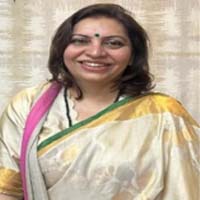 |
| 2 |
Dr. Arjun Asokan |
B.A.M.S, MSC YOGA, M. Dip ACU, YIC |
5 Yrs |
Lecturer |
23-09-2024 |
+91-8073601937
drarjunasokan@gmail.com |
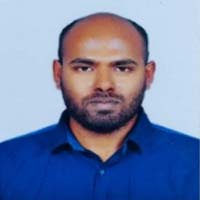 |
| 3 |
Dr. Devika Ravi |
B.A.M.S |
1 Yr |
Lecturer |
01-09-2025 |
+91-8078361765
devikaravi169@gmail.com |
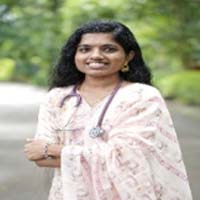 |
| 4 |
Dr. Aarcha Lal |
B.A.M.S YTTC |
1 Yr |
Lecturer |
10-06-2025 |
+91-7510872291
aarchalal@gmail.com |
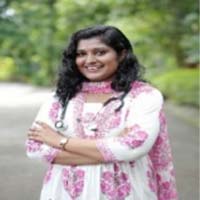 |
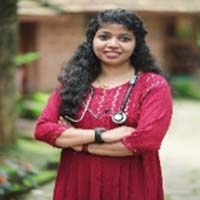
| 5 |
Dr. Reshma Ravi |
B.A.M.S |
1 Yr |
Lecturer |
10-06-2025 |
+91-9207247471
ravireshma60@gmail.com |
 |
Career Guidance & Placement Committee
A committee was constituted for placement and career guidance to the students for their better future. Details of officials are as under:
| SR.NO. |
NAME |
DESIGNATION |
COMMITTEE |
CONTACT NO. |
| 1 |
Dr. Charu Gauba |
Dean |
Chair Person |
8558880045 |
| 2 |
Dr. Reshma Ravi |
Lecturer |
Member Secretary |
9207247471 |
| 3 |
Dr. Devika Ravi |
Lecturer |
Member |
8078361765 |
Cultural & Sports Committee
A committee was constituted for organizing debates, literary competitions,
cultural events, and celebrations for the students.
Details of officials are as under:
| SR.NO. |
NAME |
DESIGNATION |
COMMITTEE |
CONTACT NO. |
| 1 |
Dr. Charu Gauba |
Dean |
Chair Person |
8558880045 |
| 2 |
Dr. Aarcha Lal |
Lecturer |
Secretary |
7510872291 |
| 3 |
Dr. Reshma Ravi |
Lecturer |
Member |
9207247471 |
| 4 |
Mr. Priyanshu Kumar Yadav |
Student |
Student Representative |
8303802402 |
| 5 |
Ms. Sonam Singh |
Student |
Student Representative |
6201913218 |
Anti-Ragging Committee
A committee was constituted to ensure ragging free campus. Details of officials are as under:
| SR.No. |
NAME |
DESIGNATION |
COMMITTEE |
CONTACT |
| 1 |
Dr. Charu Gauba |
Dean |
Chair Person |
8558880045 |
| 2 |
Dr. Arjun Asokan |
Lecturer |
Secretary |
8073601937 |
| 3 |
Mr. Paresh Pandey |
Chief Security Officer |
Member |
7525020786 |
| 4 |
Mrs. Chanchala Srivastava |
Deputy Chief Security Officer |
Member |
9435790083 |
| 5 |
Ms. Aneeta Sharma |
Warden, Girls Hostel |
Member |
9598302151 |
| 6 |
Mr. Pankaj Shakya |
Warden, Boys Hostel |
Member |
7505554219 |
| 7 |
Mr. Rupesh Yadav |
Student |
Student Representative |
9250095048 |
| 8 |
Ms. Swati Yadav |
Student |
Student Representative |
8960511214 |
Gender Sensitization Committee (ICC)
A committee was constituted for promoting gender equity and addresses complaints as per UGC/PoSH Act guidelines. Details of officials are as under:
| SR.No. |
NAME |
DESIGNATION |
COMMITTEE |
CONTACT |
| 1 |
Dr. Charu Gauba |
Dean |
Chair Person |
8558880045 |
| 2 |
Dr. Arjun Asokan |
Lecturer |
Secretary |
8073601937 |
| 3 |
Dr. Reshma Ravi |
Lecturer |
Member |
9207247471 |
Students Grievance Redressal Committee
A committee was constituted to ensure discipline and addresses student grievances promptly and fairly. Details of officials are as under:
| SR.No. |
Name |
Designation |
Committee |
Contact |
| 1 |
Dr. Charu Gauba |
Dean |
Chair Person |
8558880045 |
| 2 |
Dr. Arjun Asokan |
Lecturer |
Member Secretary |
8073601937 |
| 3 |
Dr. Barkha Bhatt |
Asst. Professor |
Member |
8840744028 |
| 4 |
Mrs. Annapurna Trivedi |
Asst. Professor |
Member |
7080866695 |
| 5 |
Mrs. Aneeta Sharma |
Tutor |
Member |
9598302151 |
| 6 |
Mrs. Chanchla Srivastava |
Deputy Chief Security Officer |
Member |
9453790083 |
| 7 |
Mr. Priyanshu Yadav |
Student Representative |
Member |
8303802402 |
| 8 |
Ms. Kajal Rawat |
Student Representative |
Member |
9250377579 |
Research Committee
A committee was constituted for encouraging research activities and
coordinates publications, conferences and academic collaborations.
Details of officials are as under:
| SR. No. |
Name |
Designation |
Committee |
Contact |
| 1 |
Dr. Charu Gauba |
Dean |
Chair Person |
8558880045 |
| 2 |
Dr. Arjun Asokan |
Lecturer |
Member Secretary |
8073601937 |
| 3 |
Dr. Aarcha Lal |
Lecturer |
Member |
7510872291 |
Academic Committee
A committee was constituted for overseeing curriculum development,
course delivery, academic planning and evaluation procedures as per
UGC guidelines. Details of officials are as under:
| SR. No. |
Name |
Designation |
Committee |
Contact |
| 1 |
Dr. Charu Gauba |
Dean |
Chair Person |
8558880045 |
| 2 |
Dr. Devika Ravi |
Lecturer |
Member Secretary |
8078361765 |
| 3 |
Dr. Aarcha Lal |
Lecturer |
Member |
7510872291 |
Examination Committee
A committee was constituted for the smooth conduct of internal
assessments, end-semester exams and evaluation, to ensure transparency
and integrity in assessment. Details of officials are as under:
| SR. No. |
Name |
Designation |
Committee |
Contact |
| 1 |
Dr. Charu Gauba |
Dean |
Chair Person |
8558880045 |
| 2 |
Dr. Aarcha Lal |
Lecturer |
Member Secretary |
7510872291 |
| 3 |
Dr. Reshma Ravi |
Lecturer |
Member |
9207247471 |